
Sometimes, somehow, as it happens when a traveler meets another, a conversation begins that beckons a detour from an intended itinerary. We hear of a few remote villages further north on the Nam Ou that sound intriguing. We let go of traveling to Vang Vieng; its tales of stunning beauty and its dark side of crowds, partying and noise. We point north to Nong Khiaw and further upriver to Muang Ngoi for the next 4 days. Au revoir to Luang Prabang. We leave our luggage at Moonlight Champa and I cram shorts, bathing suit, head lamp, toothbrush, long underwear, sneakers, fleece jacket, camera, water bottle and my beloved cashmere scarf into my day pack. While it reaches 95 degrees between 10:30 and 4 , it goes down to 45 at night which feels downright chilly.
I feel kind of liberated. I pretend I am a full-on backpacker with my little overstuffed nylon zippered bag. I kid myself that people will assume I’ve left the big pack at a local guesthouse. While I fantasize this youthful distortion, in reality we get sealed into a packed minivan for a 4 hour intestine twisting bus ride north. When we peel ourselves out of the van we are greeted by the immense beauty of the jungle covered karst mountains of Nong Khiaw. We have definitely made a great choice.
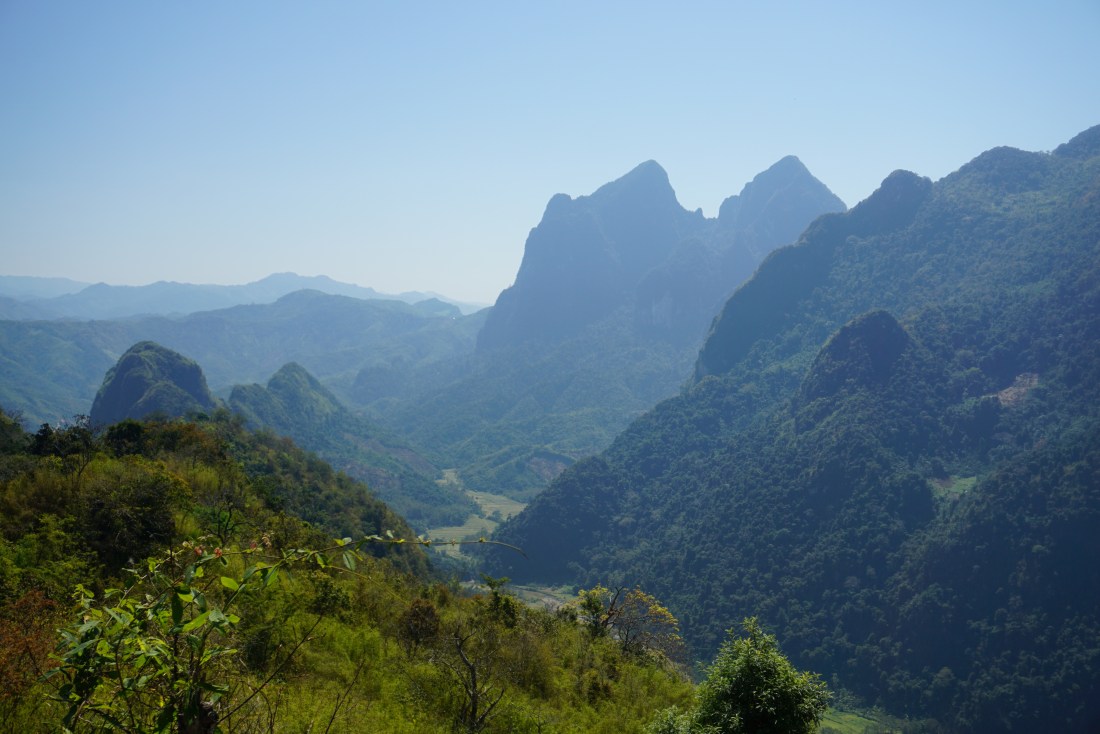
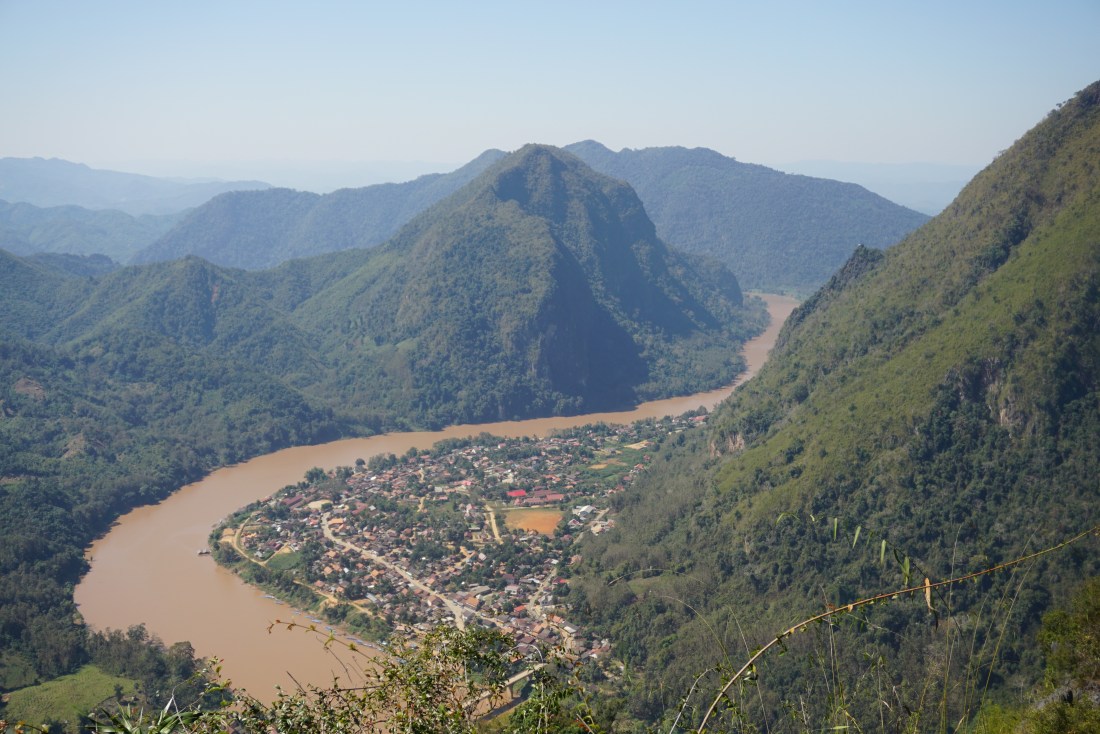
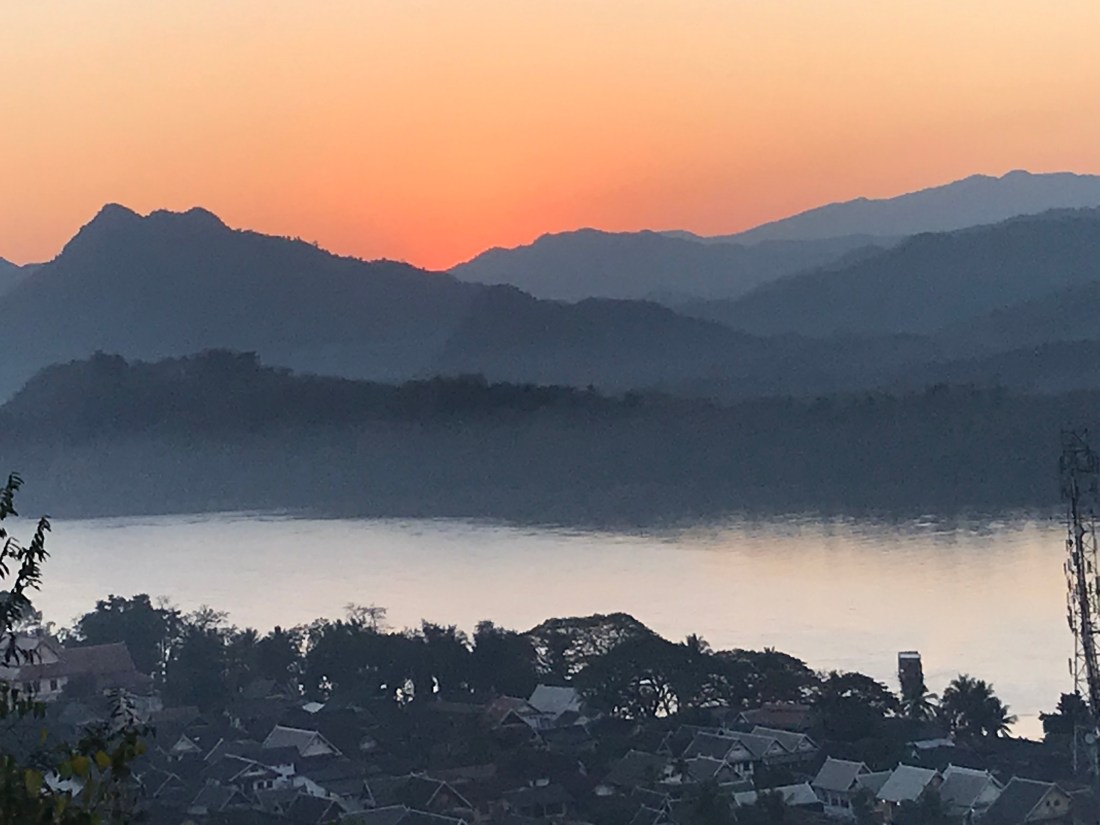
We are staying on the river, a brown slit made narrow by slopes so steep that daylight is filtered out by the morning mist until 11 and the sun’s setting at 5:30. Nong Khiaw is a moderately small village, dirt roads, some Tuk Tuks, some motorbikes and a couple of cars.
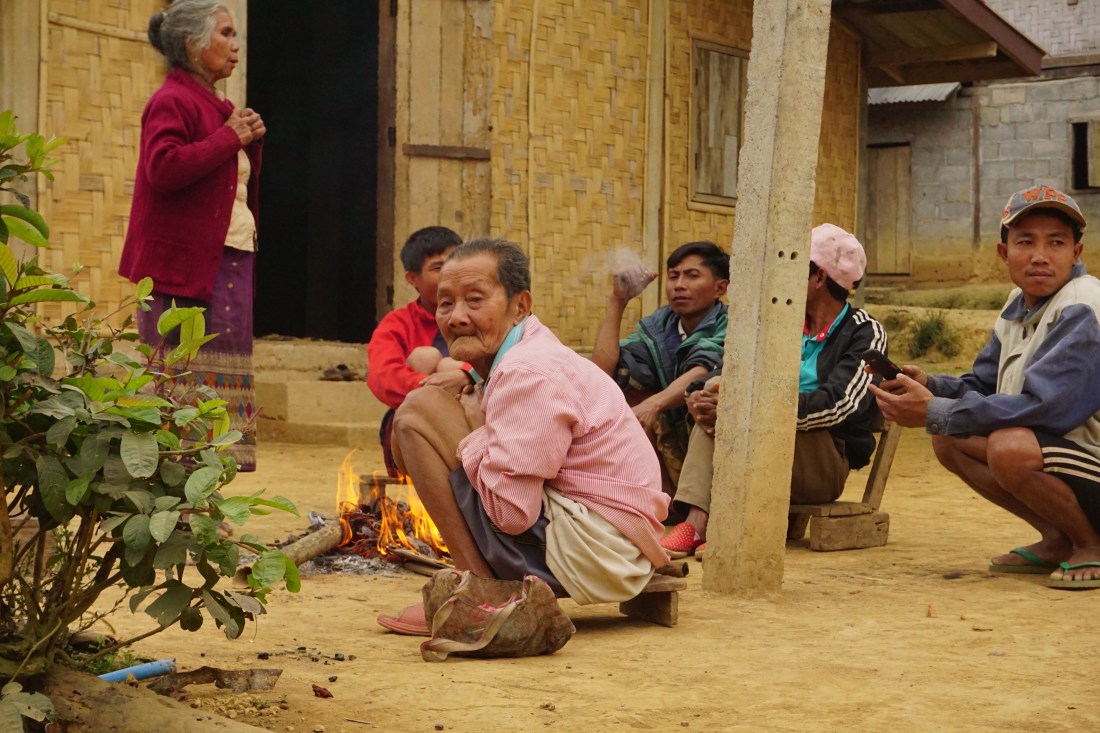
Our place is owned by a Mr. Mang and his wife, Chen. She manages the guests while Mr. Mang runs a tour company down the road. It is a simple lodging that suits us fine. The view is dramatic from the veranda. We catch up on laundry and emails and enjoy the sense of timelessness. People motor their “long boats” to deliver goods, or to fish or to transport family or tourists and it is a pleasure to simply watch. We wander past homes, simple bamboo and cement structures, cooking fires outside their doors, men weaving baskets, women tending children and talking to each other.
 The villagers go about their lives, sometimes we or they say, “sabaidee” (the catch all for hello, good day, good to see you ) and it is friendly. In this place, so far it seems tourism has blended into their culture and not the other way around.
We go to see Mr Mang to consider some tours. He is quite a jovial and persuasive salesman and we find ourselves signed up for a 2 day guided trek before we even think about it. He describes a long boat upriver for an hour to a small village, Houy Hoi; trek 4 hours to the next village, Phayong; trek another 2 hours to a boat and go upriver another hour to visit the weaving village of Sopjam, his home village, and stay overnight there or hike another 30 minutes to a homestay in a hut on a farm. Our eyes widen. He immediately tries to rescind the hut idea, citing we may be too old to be alone in the hut, but we are hooked. Then some more trekking the next day but with the promise of a swim at the base of Mok waterfall. The deal is clinched. Then he adds we can kayak back to Nong Khiaw. I take an Advil.

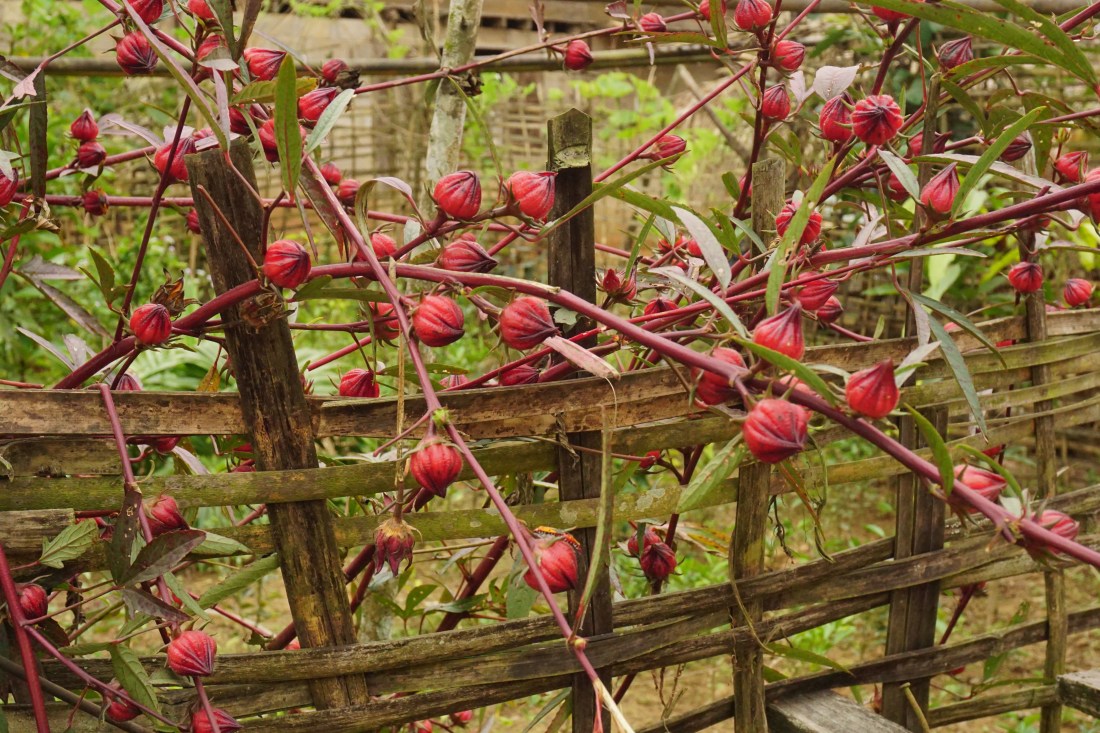
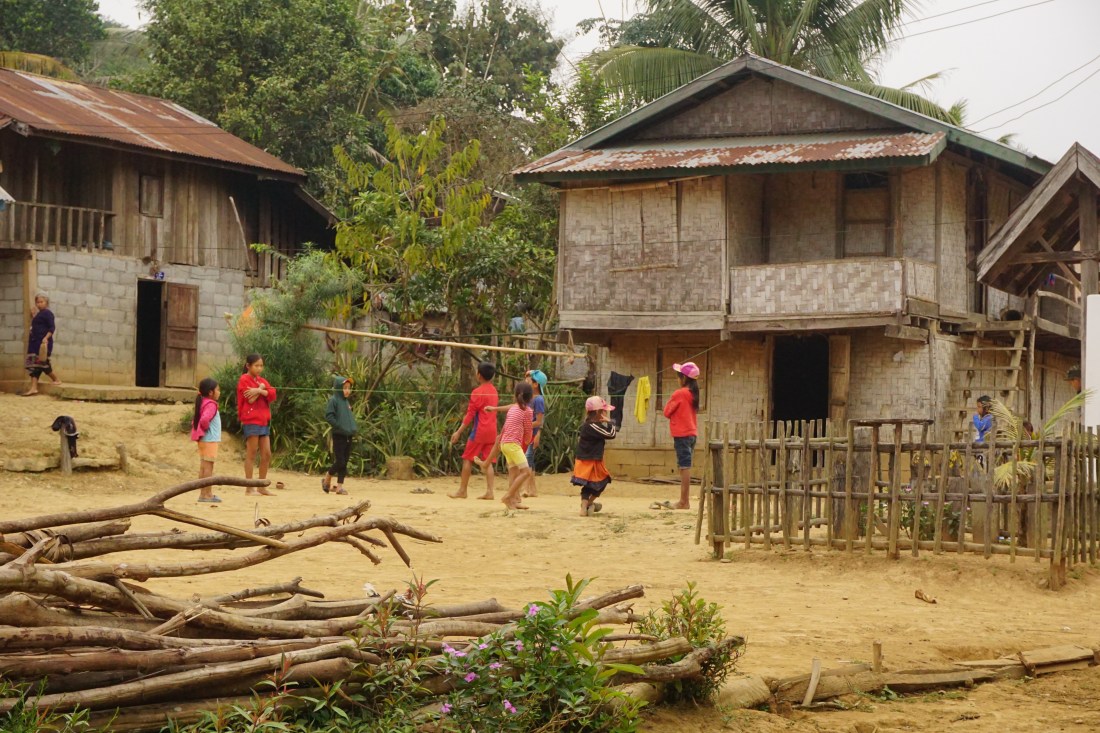 We trek the initial 6 miles. It is blistering hot. Steve has wrapped his krama around his head, “do rag” style, to keep sweat out of his eyes. I think he looks like Sinbad the sailor. Our guide Pheang and his girlfriend, Phe are wearing jackets, hats and gloves to keep from burning. I can’t believe I, too, am putting on my fleece jacket over a t-shirt. Just a few hours ago I was wearing it to ward off the cold on the river and now the jacket is the only protection I have from the sun. Pheang gives directions and distance, “jungle, sun, left, farm, jungle”. We long for jungle.


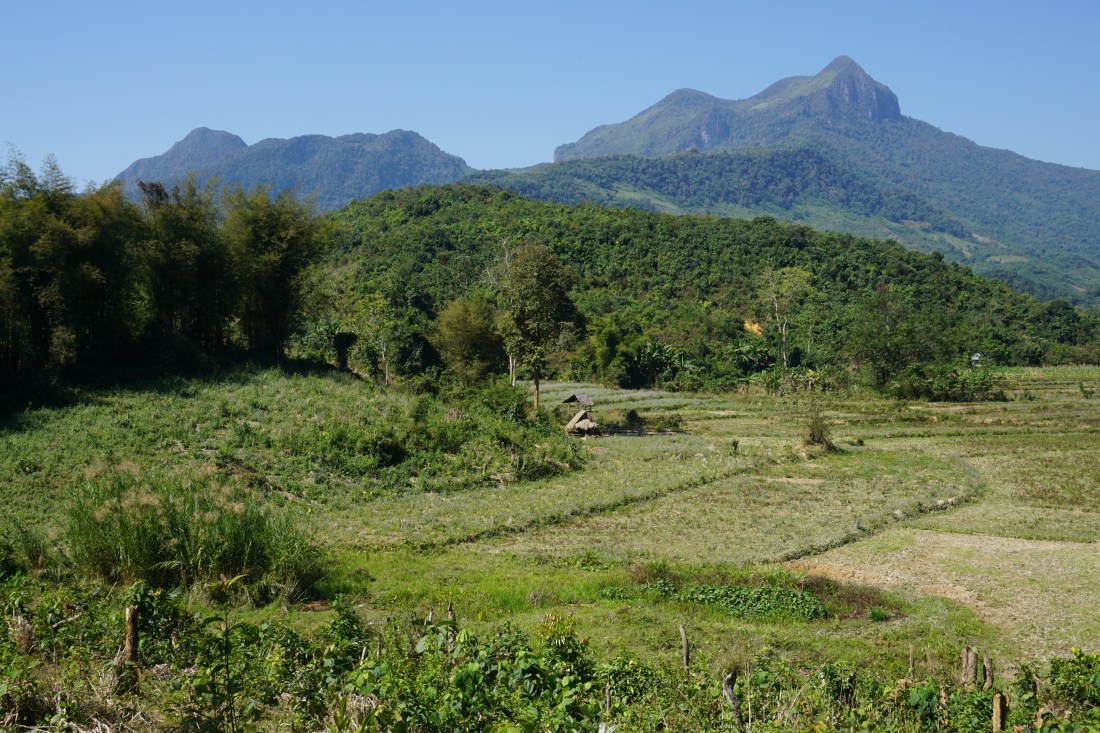
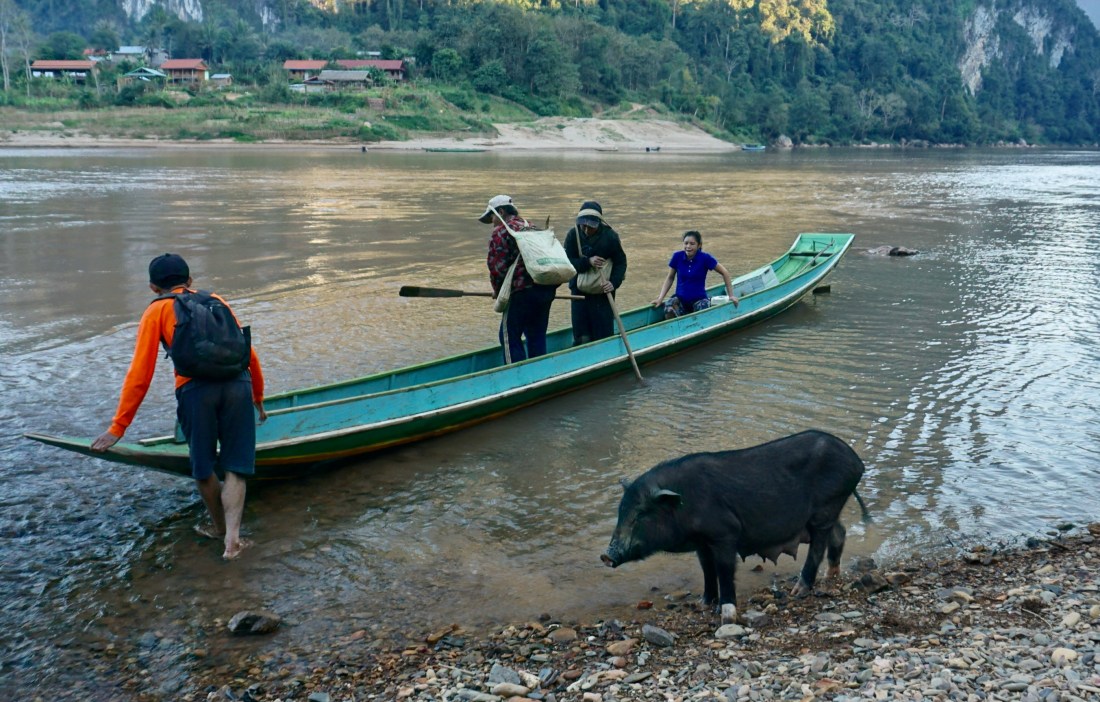
We will be staying with a farmer and his wife, plus Pheang and Phe. The farmer couple’s son is guiding us, carrying a huge bag on his head filled with mattresses, blankets and mosquito netting for us all. It’s a sleepover. Pheang is throwing sticks at starfruit and grapefruit trees and carrying the retrieved bounty. I’m just putting one foot in front of the other and counting minutes. We pass several unused huts as we go up hills, through mud and jungle. As the mist comes in we finally…

We take off our sandals, greet the farmer, drop our packs and stare in wonderment at what we’ve walked into. It is a half wood, half bamboo hut perched on several acres of now dried rice paddies. There’s a smoky cooking fire in the corner. Outside everything is free range. We are happy with the barnyard concert of peeping, clucking, crowing, oinking, meowing and barking. The chirping is the best and noisiest. No English is spoken. I smile a lot, use gestures and point. We don’t quite know how to be of help; Pheang and Phe are helping set up dinner. The farmer who is 95, stooped but spry, heads out to the far reaches of his fields to gather greens.
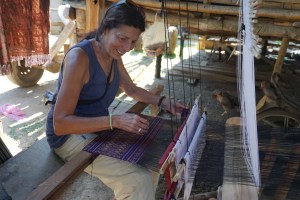
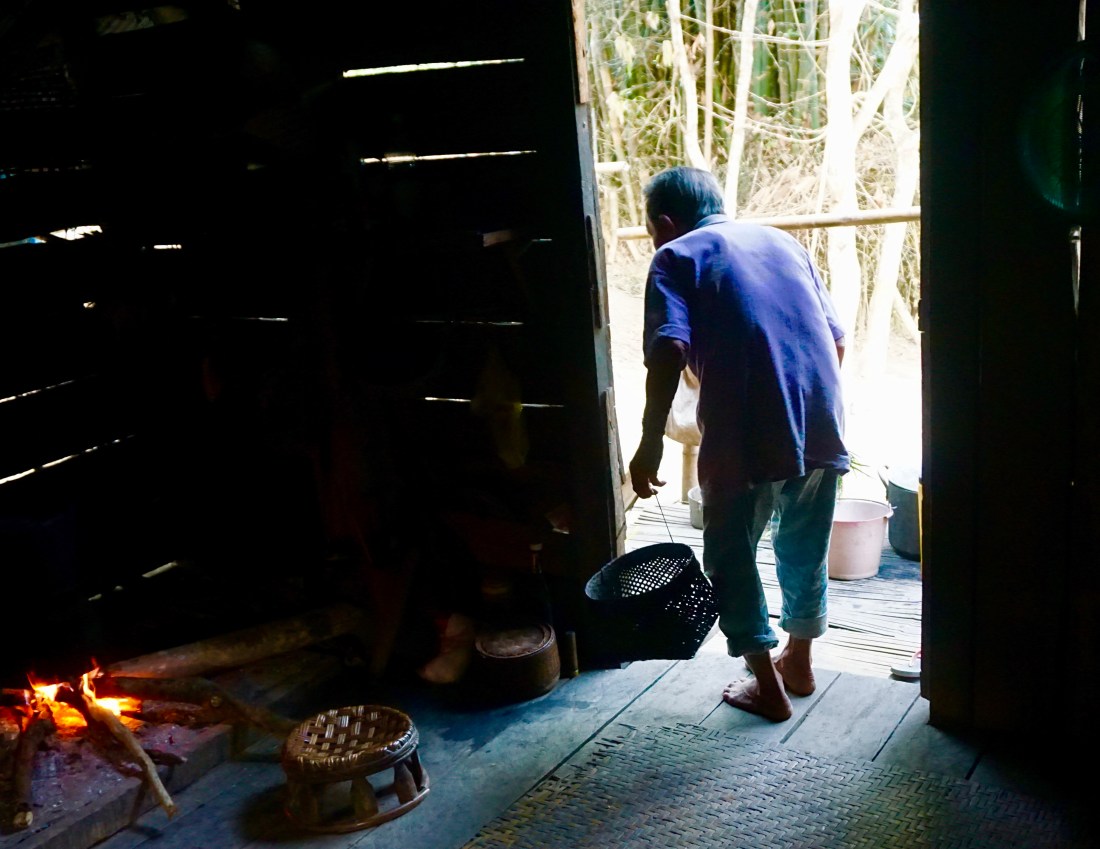 The wife heads to the river for water. We hang out with chicks and pigs. I’m delighted by the hand made baskets of all shapes and sizes for fishing, seating, collecting and carrying stuff: wood, spices, sticky rice. 40 kilo bags of dry rice from Thailand are stacked against one wall. We are treated to starfruit dipped in chili sauce and herbs. The temps keep dropping. We hang by the fire.
 Inside, the old man brings us low benches for sitting while they use well worn cushions. He stacks another bench on top of the first, adds a cushion and invites Steve to sit. We laugh; Steve is a veritable giant next to them. The old man pulls out a whiskey bottle half filled with herbs and offers first swig to Steve. Ultimately we are all laughing and warming up, drinking this libation until dinner. The 7 of us sit around a low board about 18 inches by 24. Our knees touch as do our hearts.
They teach us how to ball up the sticky rice and sop up the meal. We have a soup with greens and freshly killed chicken ( I watched Pheang and Phe pluck the feathers). They encourage us to eat everything. My bone marrow sucking is admirable. I do however refuse the head. Nothing is rushed; many rounds of offering more and more food, whiskey, rice and good humor. We are full and warmed and outside is now very dark and cold. The peeping has stopped, it is totally quiet. We use the head lamps; put on long Johns, roll out the stuffed mattresses; the cushions we sat on now converted to pillows; mosquito netting demarcates our bedrooms. I’m hoping the lorazepam I’ve been hoarding works. We wake with the light and the cold, warm ourselves by the cooking fire and make ready to go. We say goodbye.
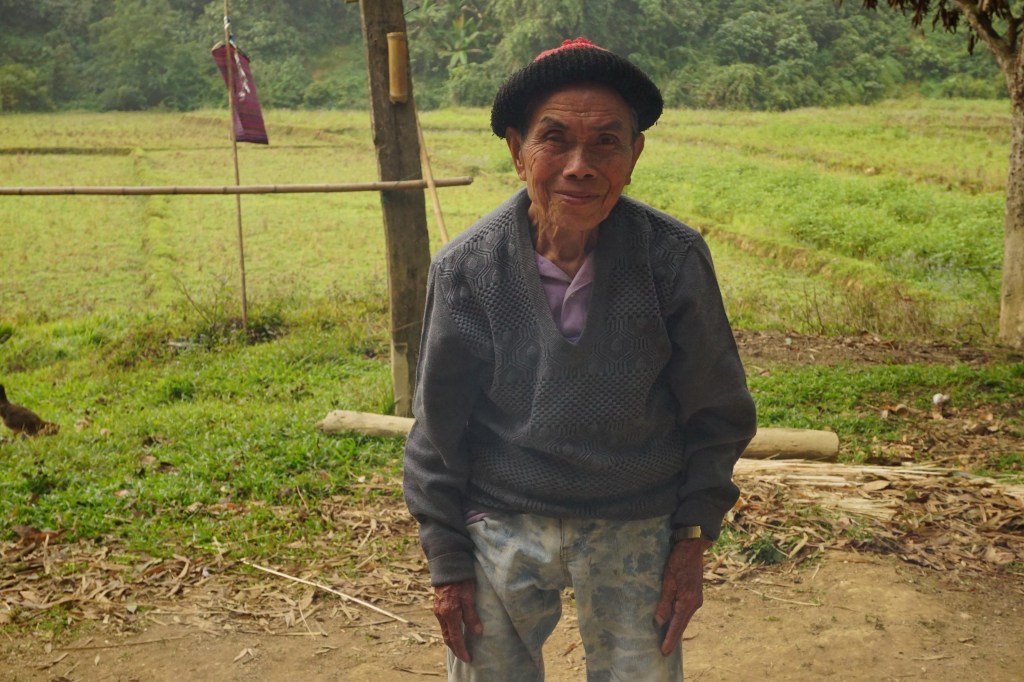
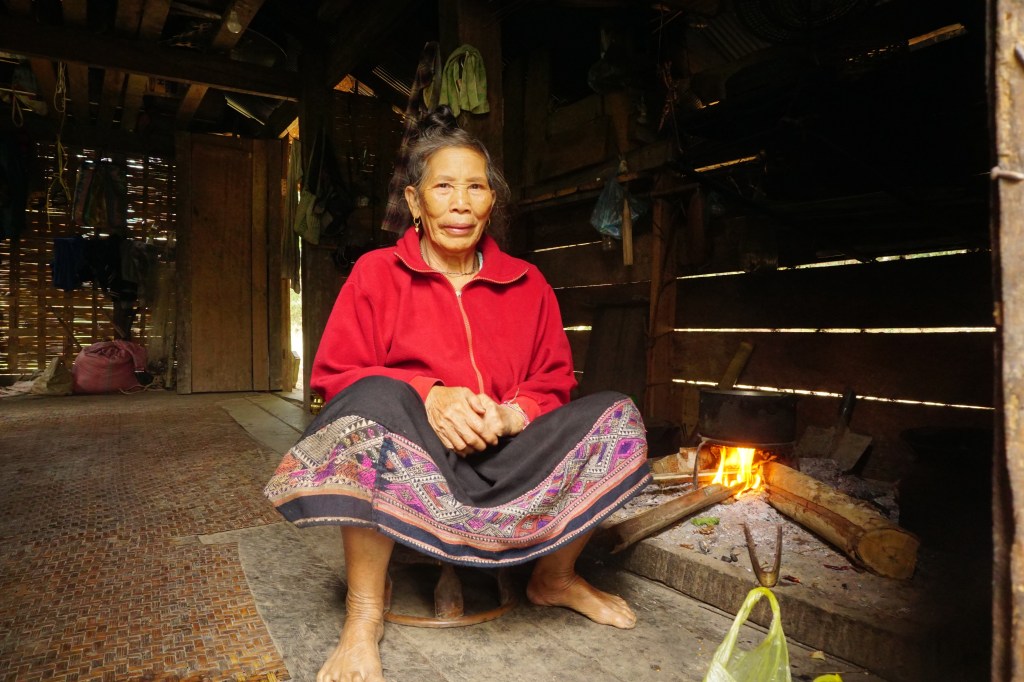
The mists engulf the mountains, everything is wet and alive.

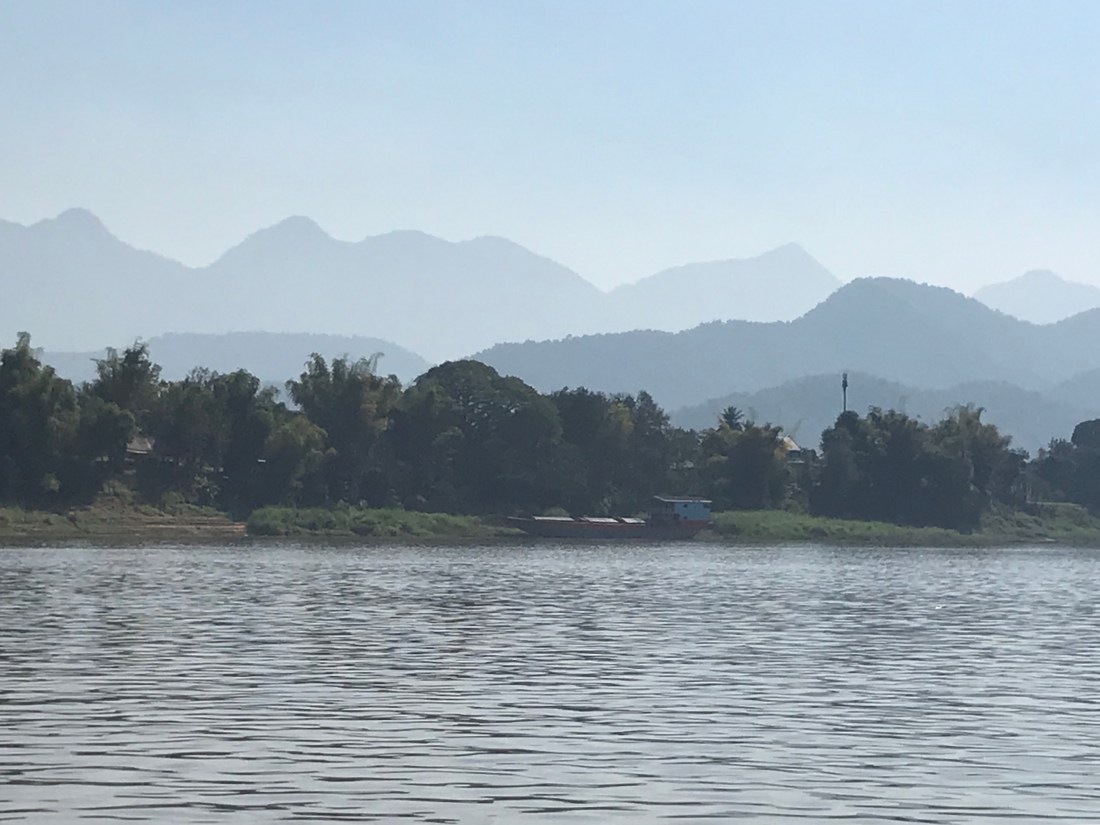 The Mekong

 Very early on we decided to stay an extra day and felt genuinely pulled to stay another. Our wifi password really was: “1moreday”. Our dear friend Fred, used to comment about Fire Island, an idyllic 25 mile barrier beach off southern Long Island that, “There’s nothing to do and not enough time to do it”. That sums it up.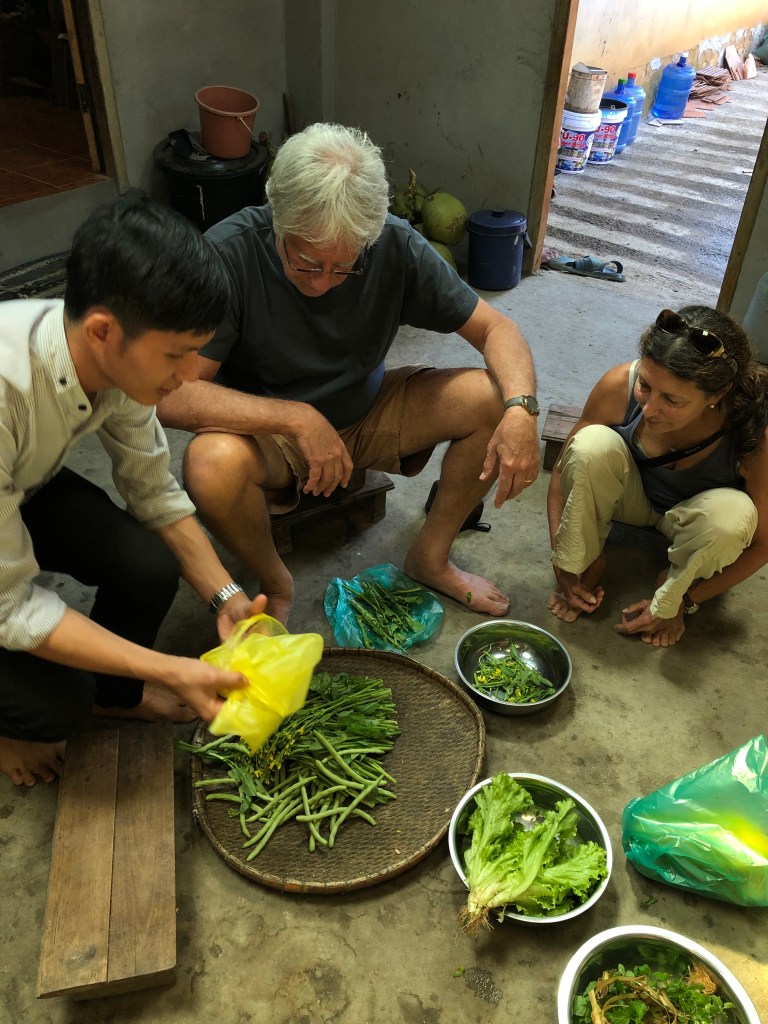


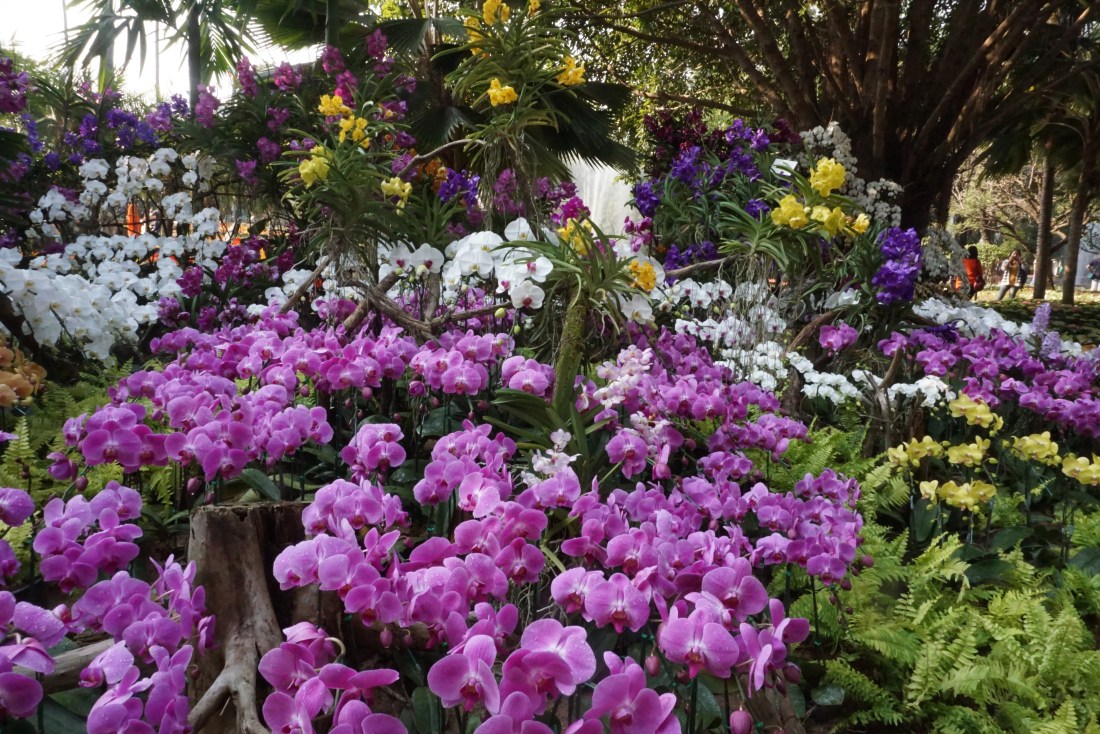 We see the park entrance. We have found the gem of the Old City.
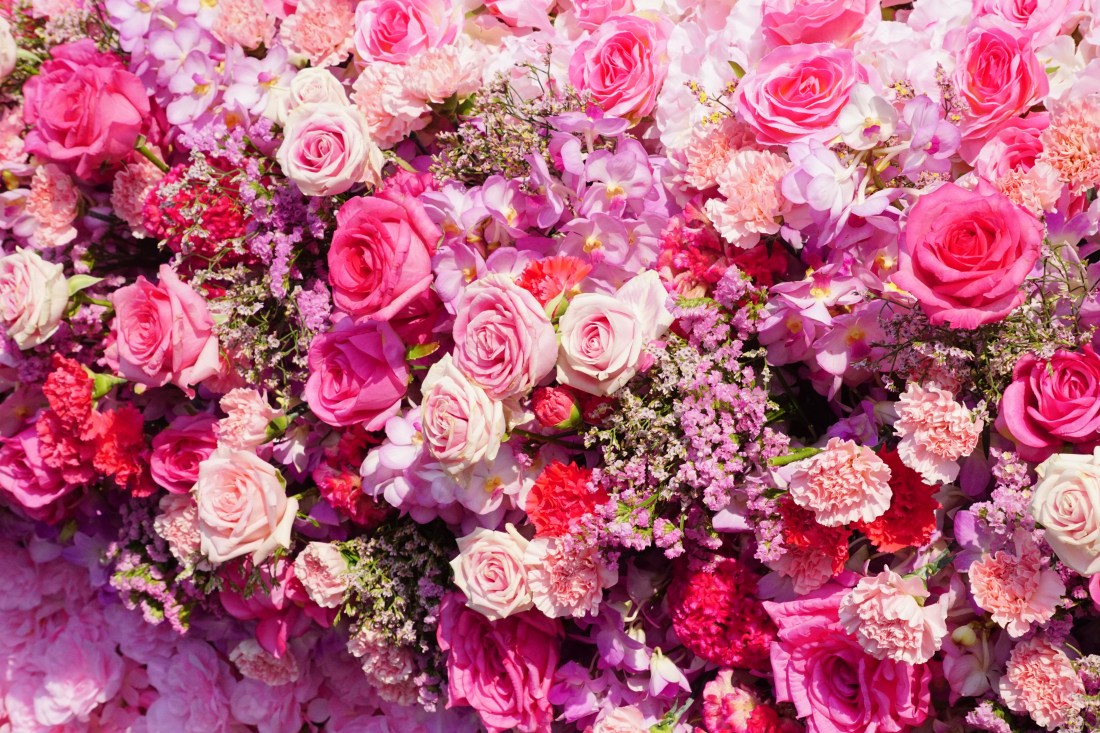
 Tropical tulips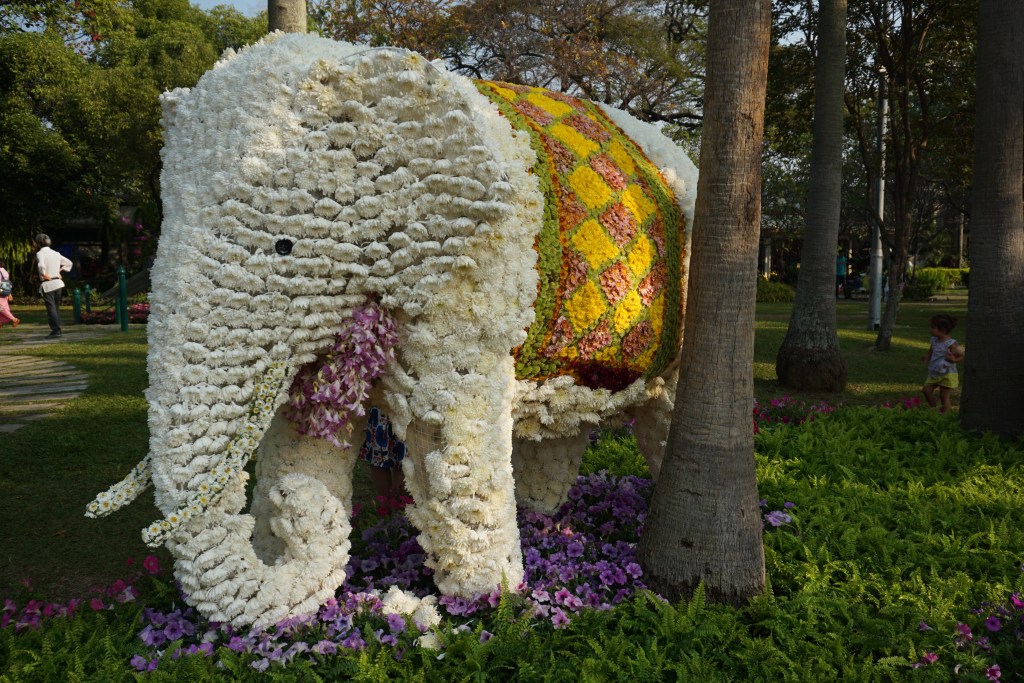
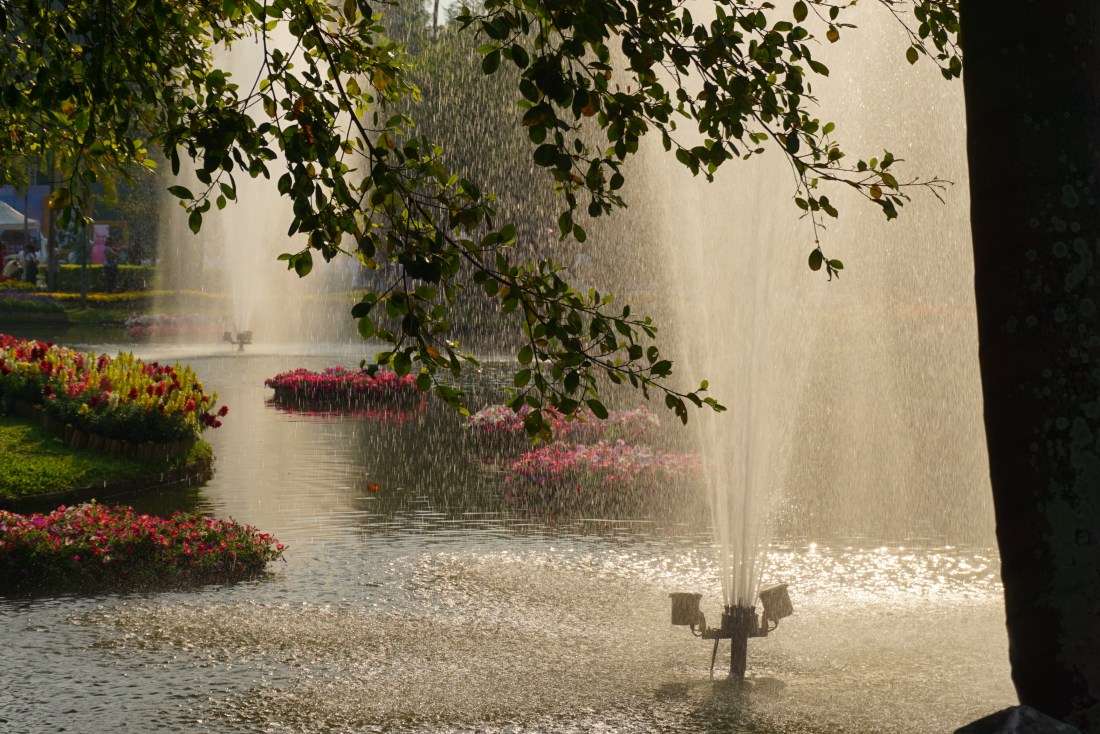
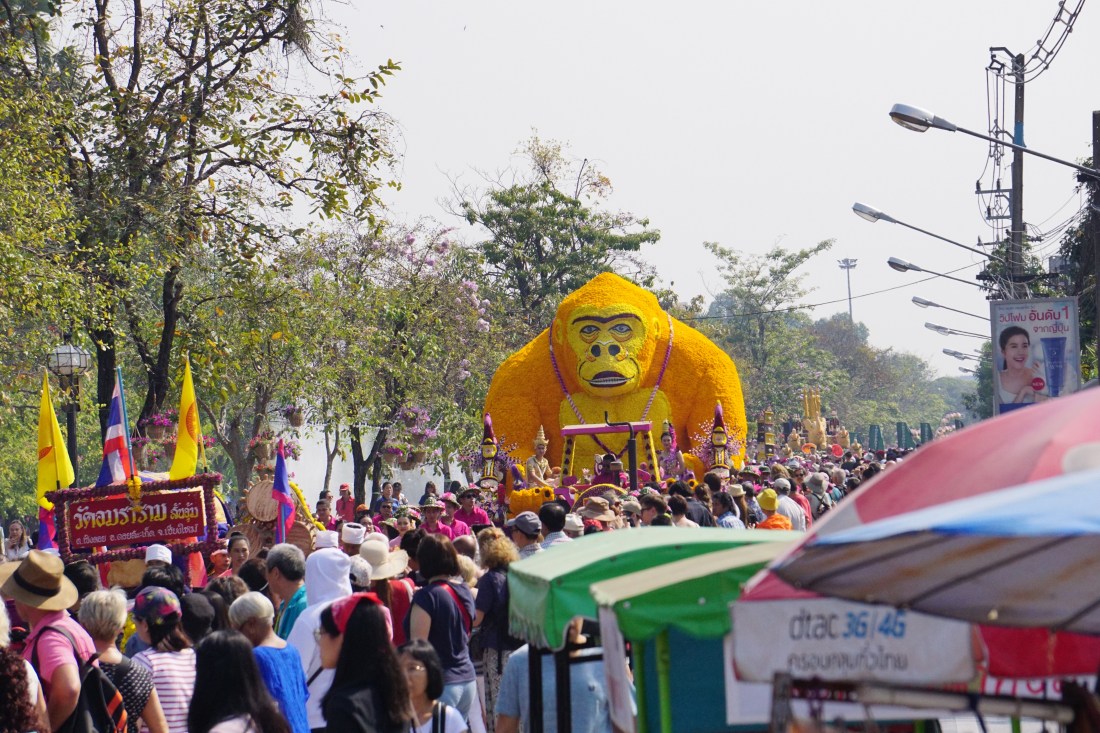
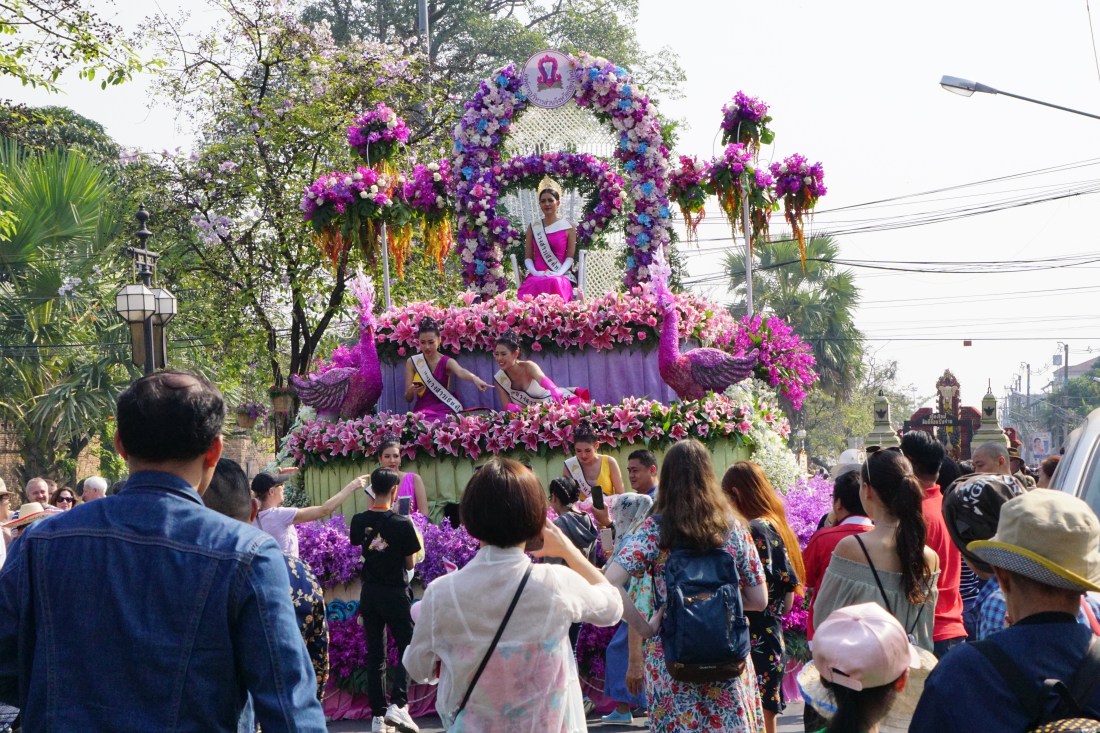 The float stops, people rush in for selfies and the princesses check email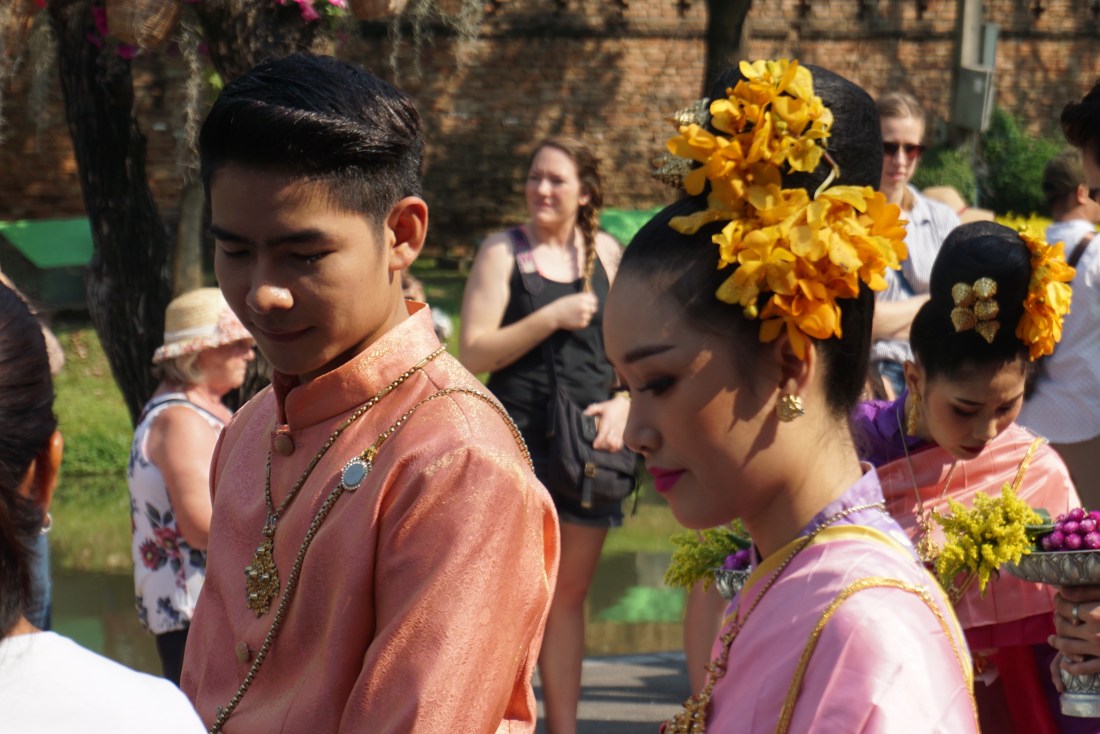


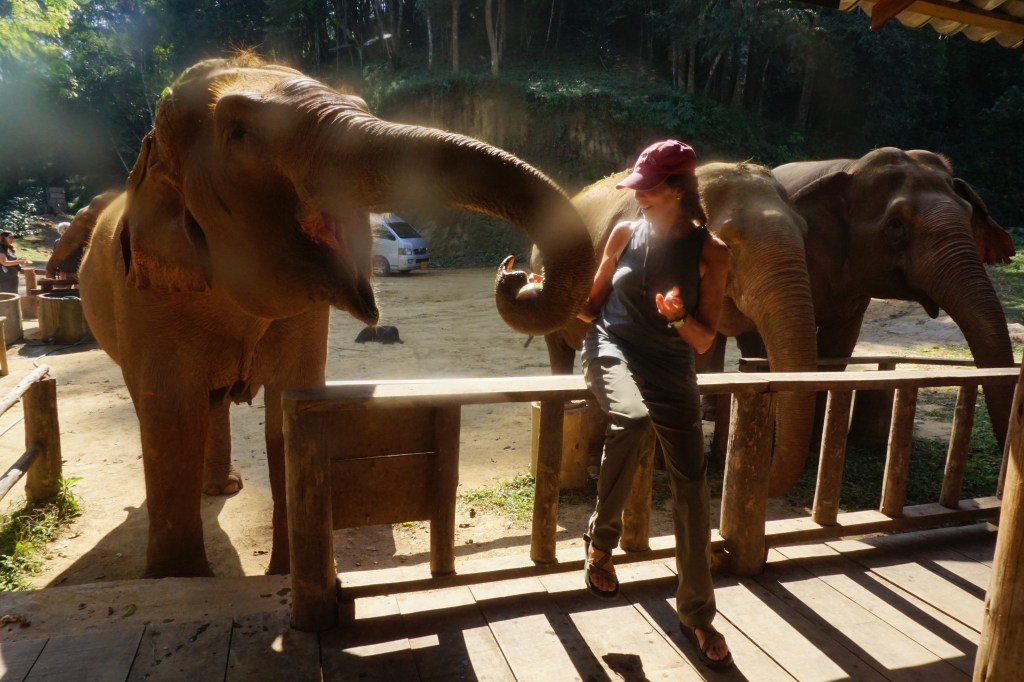

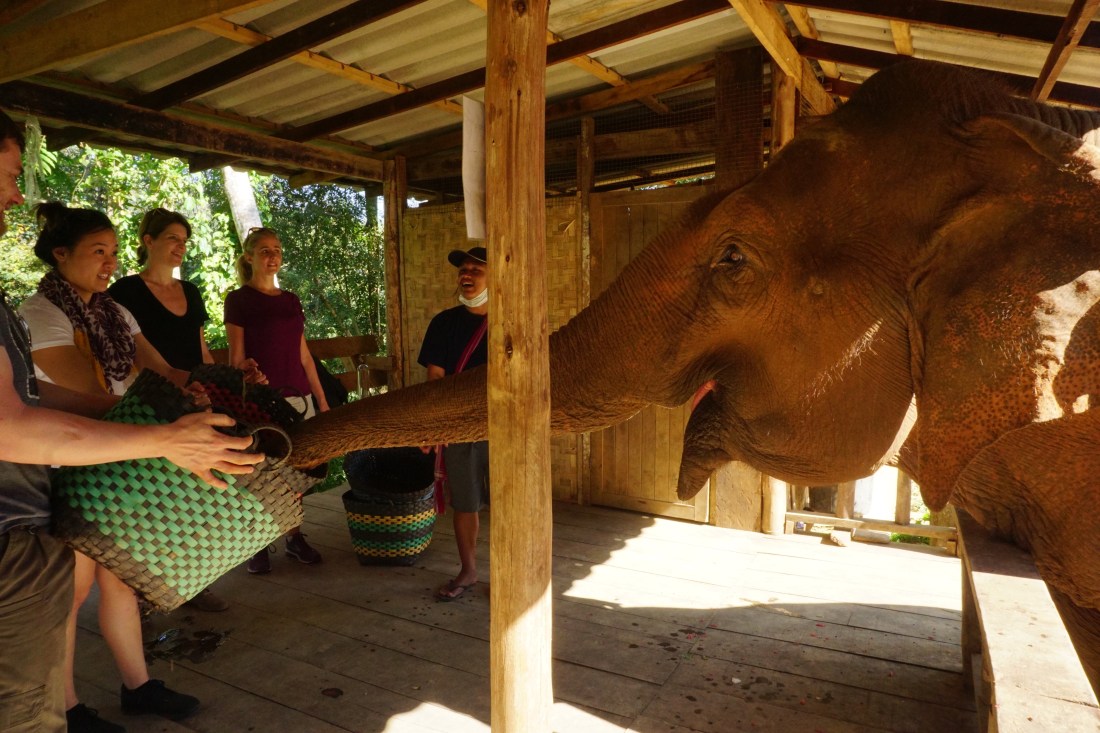

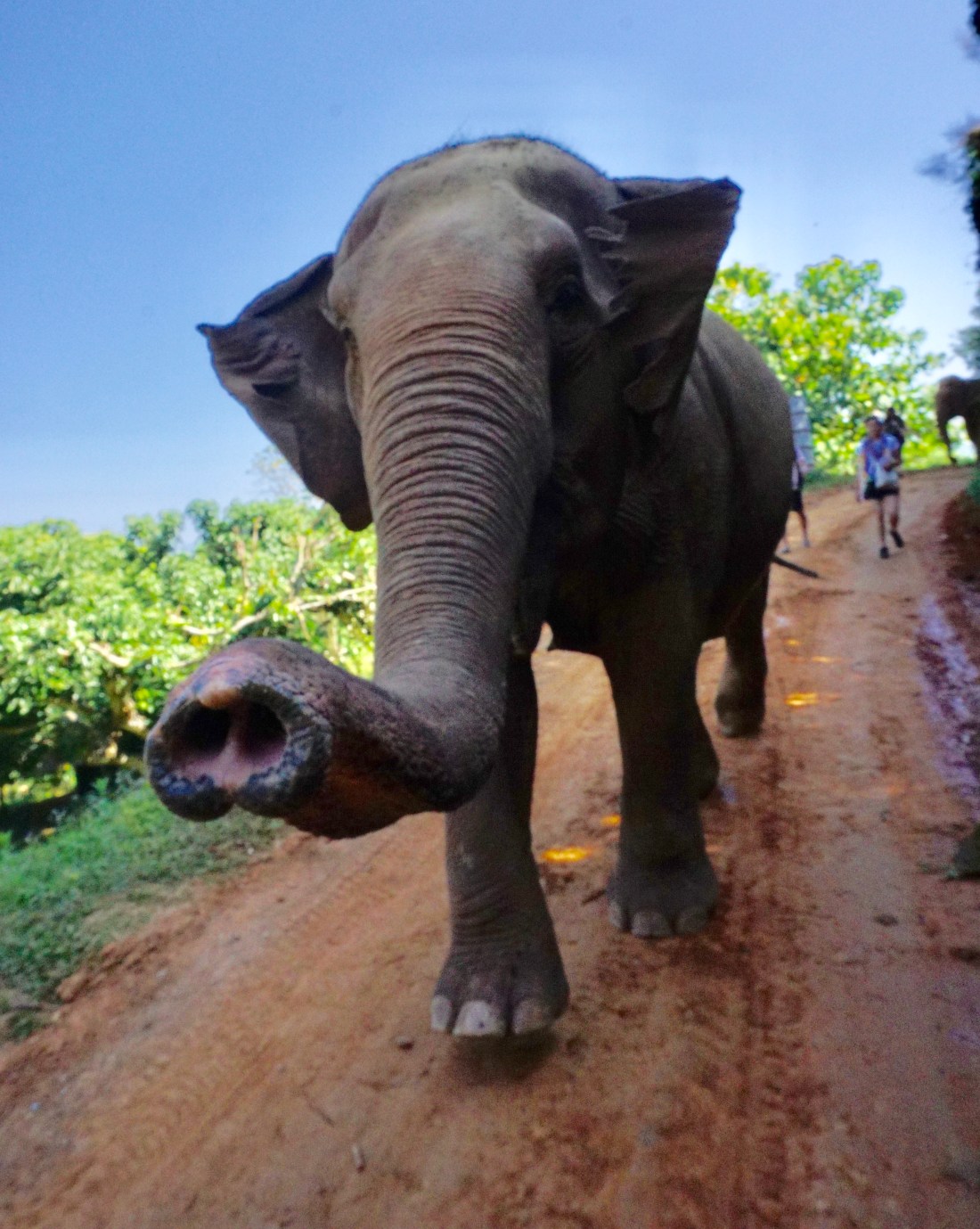
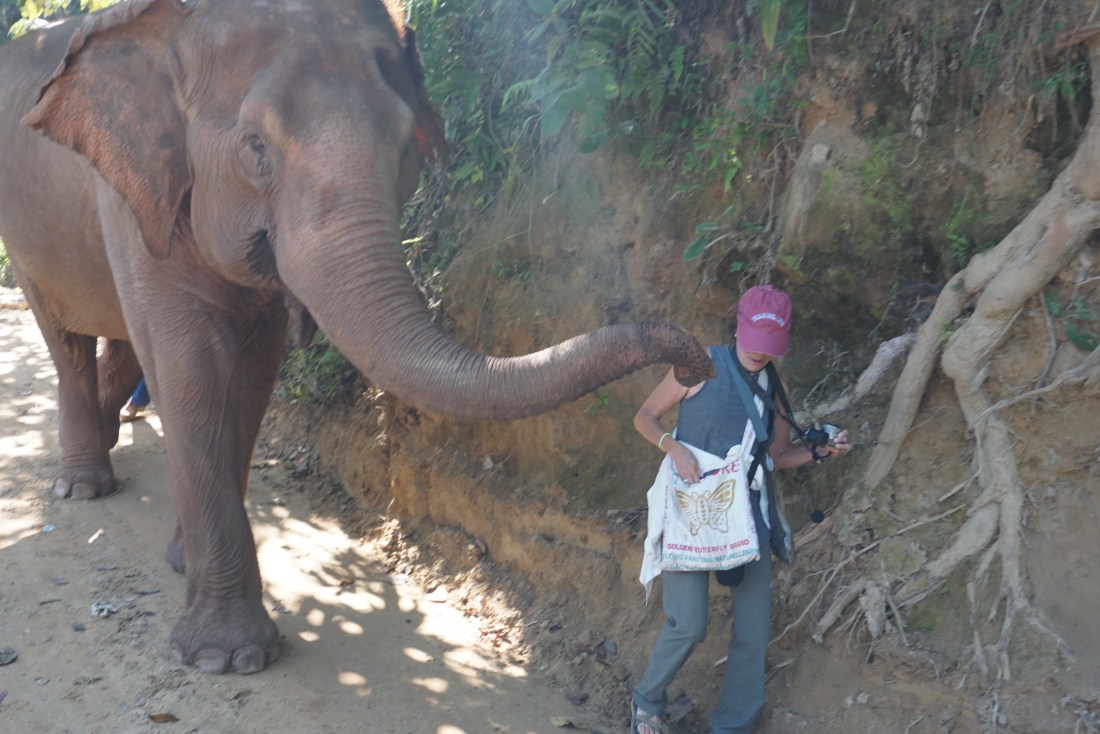 So we walk a mile or two through the beautiful highlands, past orange groves planted on steep hills, coffee and lychee and palms.
 We are just hanging out, some of us covered in the sticky red mud, not really appreciating the cooling effect it has on the elephants. The elephants are just roaming, their mahouts lounging under a shelter. It is midday and hot. I and some others go for respite under a small pavilion. An elephant saunters over in front of me. I’m amused but then Steve says, “Turn around quick”, and there is another, very very close and moving forward! She wants to come in but her head keeps bumping the structure. We vacate the shelter as she begins to rock the the poles.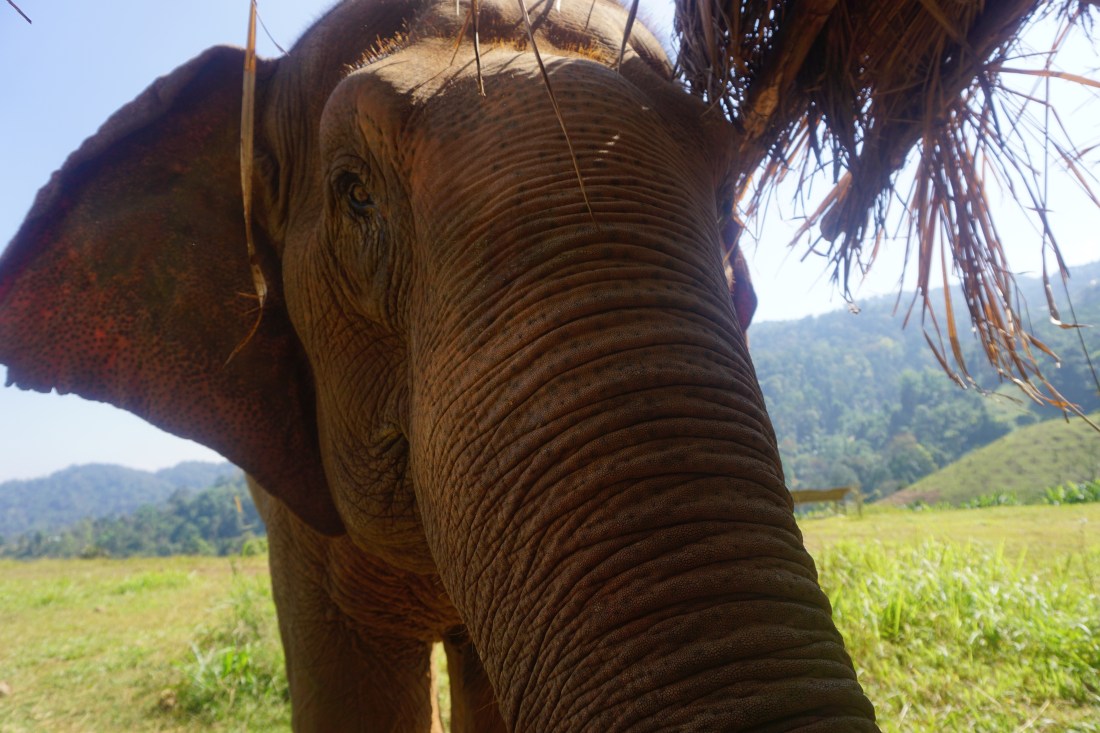
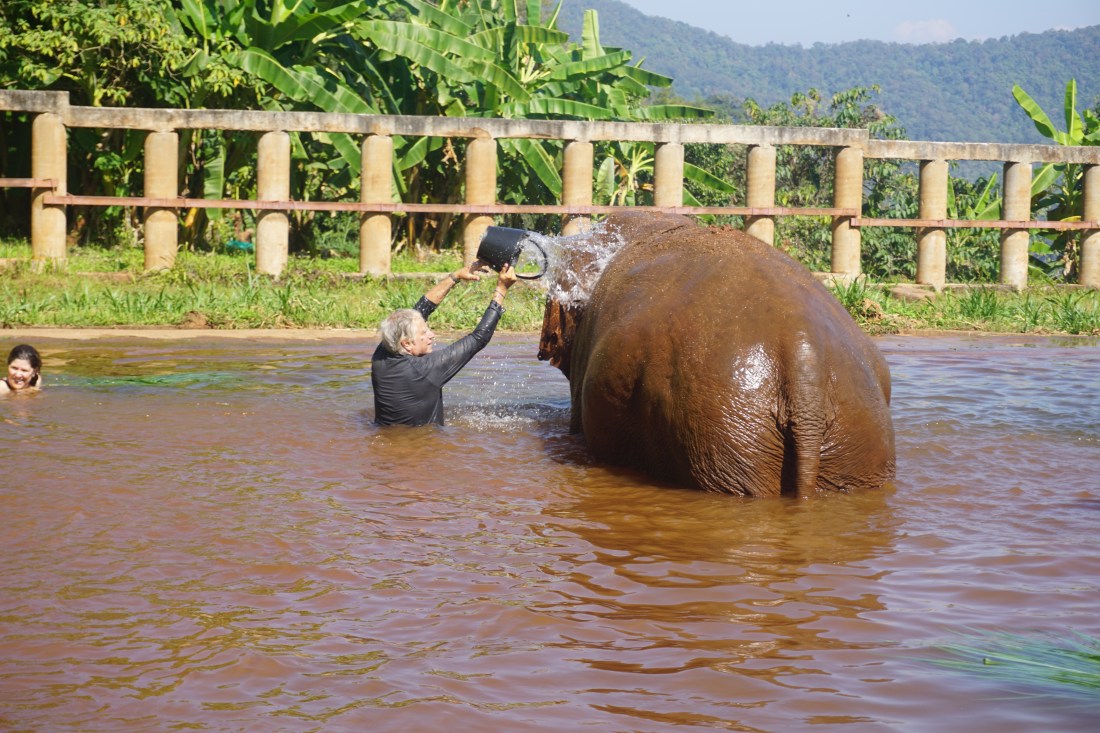 Time to rinse off the mud

 Truly a magical day. For us, knowing that these animals are finally experiencing the free life. And grateful that we could share in the happiness.


 Finally arrive in Prek Toal which while visually interesting seems very impoverished. Hard to define poverty by US standards. The people seem healthy, sheltered, kids in school, eating well. The water is polluted, and fast, loud long boats karoom by. Cheap petrol is sold in jack daniel’s or plastic liter bottles. Fish, vegetables, ice, beer, charcoal come in by boat. It’s like the markets of the lower east side 100 years ago…only floating on bamboo rafts. Walls are corrugated metal, wood, palm leaves. Floors are wood. This is where we stayed
 Our family was pretty well to do. He had a bar, snooker table, a restaurant (questionable) and a side room that we stayed in. Fairly comfy with mattresses on the floor like camping and a mosquito netting. This is when being constipated is a Blessing
 He also has a floating crocodile farm as many of his neighbors do.
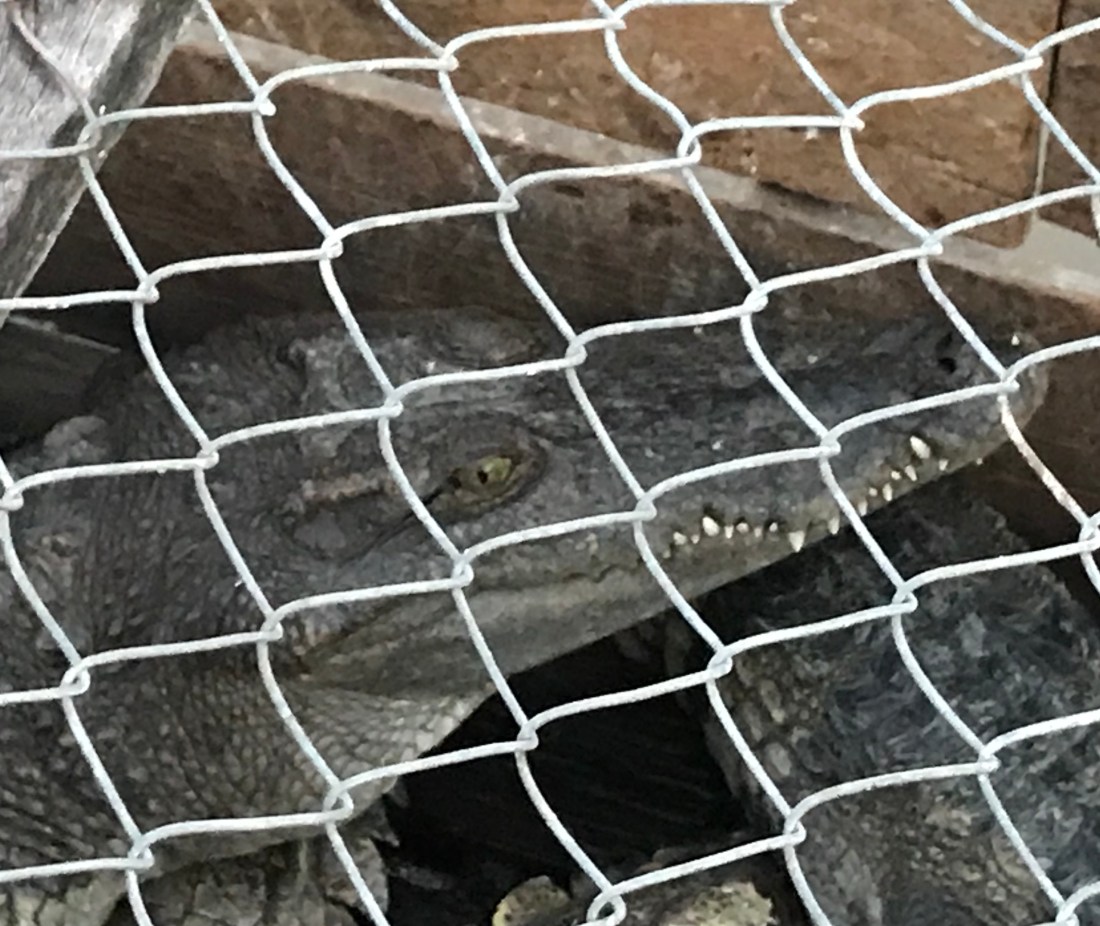


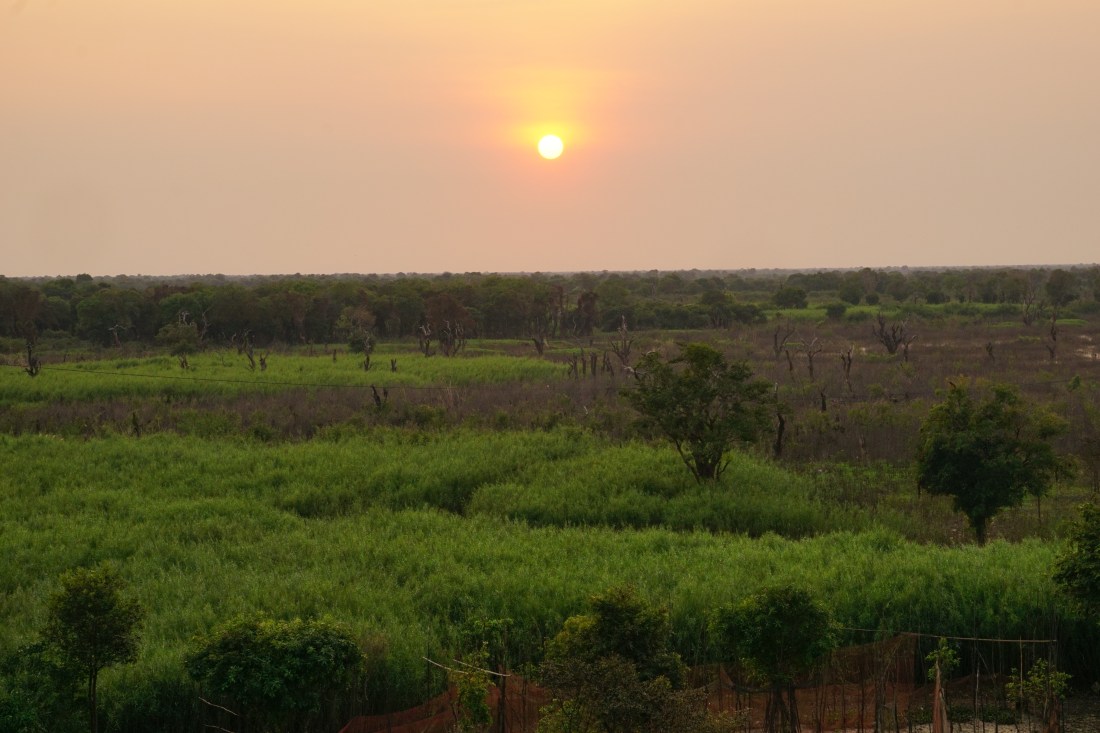
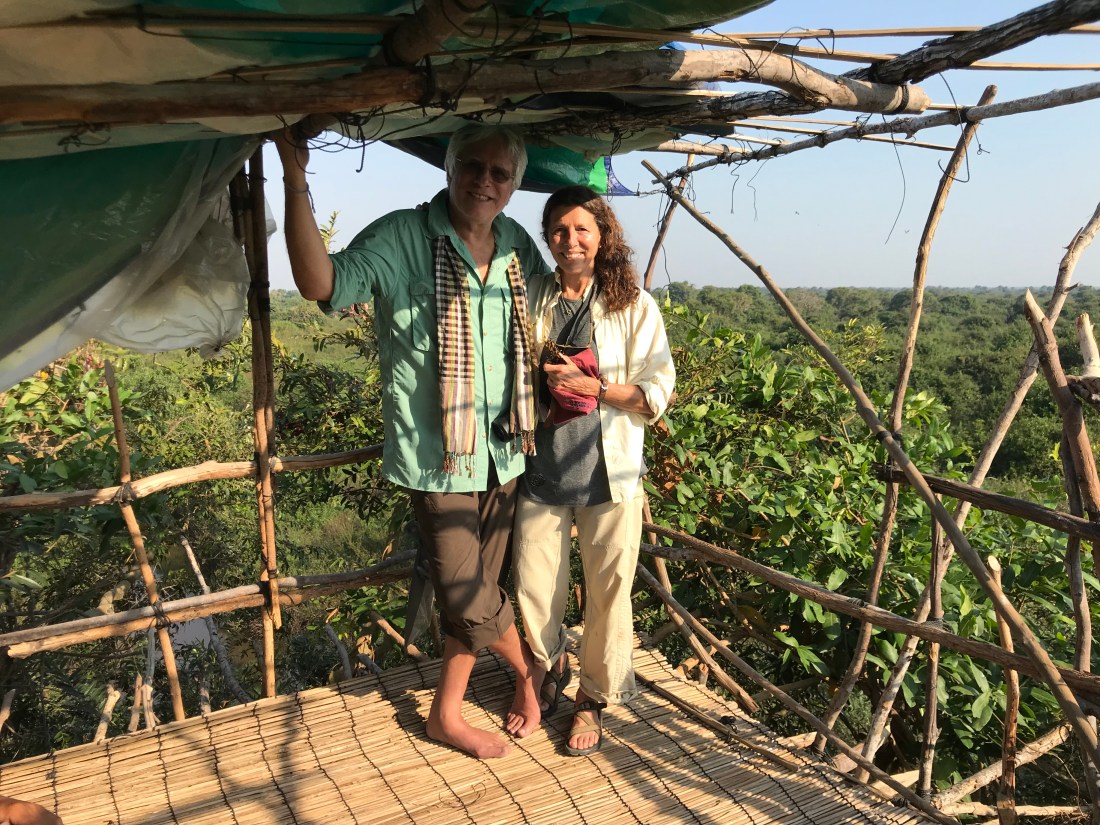
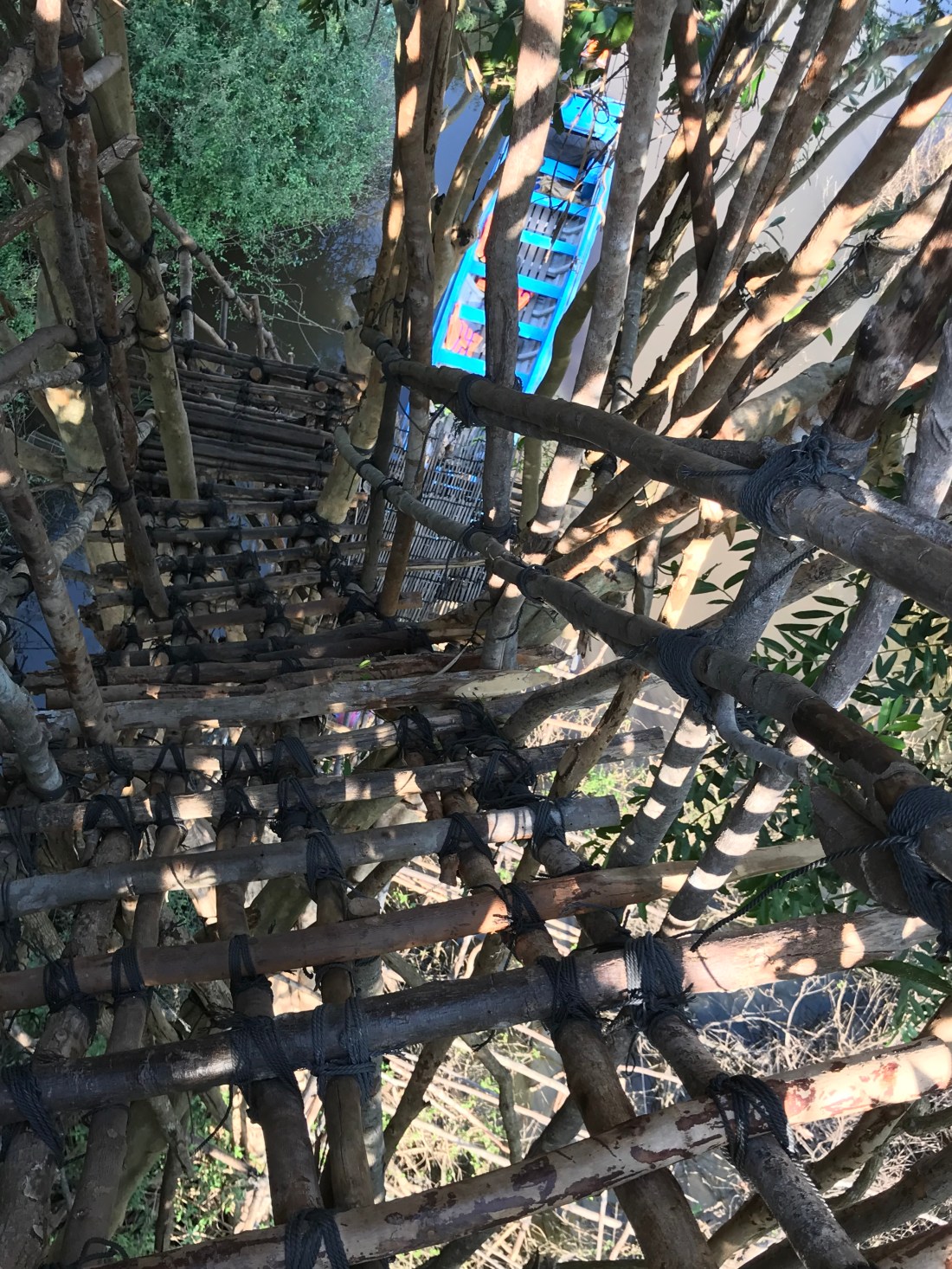
 The village from above. 1000 families live in Prek Toal. We were allowed to climb up a tower:
 We get up very very early the next morning. It is considerably less noisy. The yahoos of the night before are still sleeping or getting ready for school. The fishermen are puttering quietly towards the big lake. The mourning pyre still burns, the gong still rings and the extremely loud chanting continues. This ritual of remembrance lasts 24 hours and we are only 12 hours in. Fortunately our new boat arrives. We board the narrow craft and motor through the last of the village and into the reeds. Our boatman is a local and swiftly navigates through the channels. Way cool.









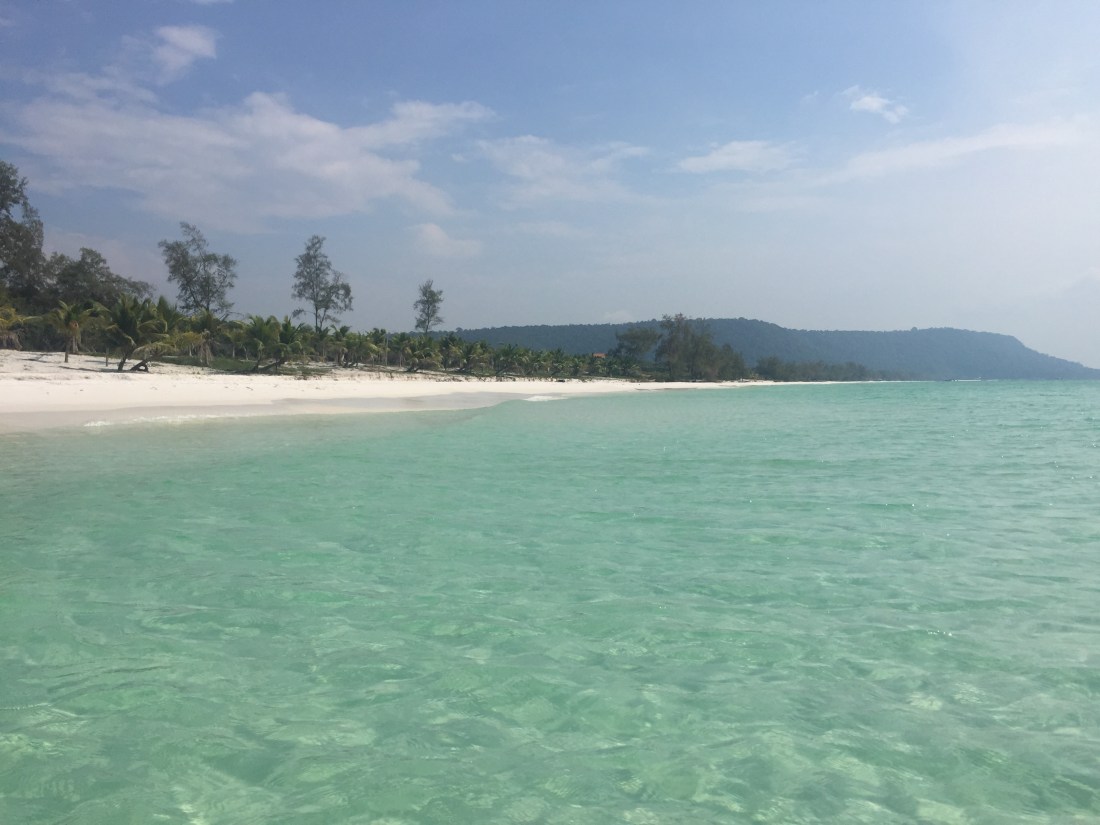 Long Beach, Koh Rong is 7 km of pristine white sand, coconut palms, some newly planted and others long lived, the clearest water with just enough turquoise coloring to remind you that it is ocean water. We are at Ryta Beach Resort, about 1+ years old and owned by Cambodians. What gives it Resort status? There is the beach, a few thatched canopies, hammocks, spotty WiFi and occasional electricity. No cabana services, or Mai Tai’s delivered to your hammock, no plastic kayaks, volleyball or Sports TV channel. There are only four of us on the beach right now and no one else in view anywhere. Gentle breezes and pleasant solitude on a gorgeous tropical day; it’s my kind of Resort .








 marian wilder